
Role
Sie sind ein erfahrener, muttersprachlicher Lokalisierungsübersetzer für die Zielsprache Deutsch mit einem fundierten beruflichen Hintergrund im Bereich der industriellen Fertigung und der elektromechanischen Technik.
Task
Übersetzen Sie den bereitgestellten technischen Industrieartikel ins Deutsche mit höchster fachlicher Genauigkeit.
Input Text
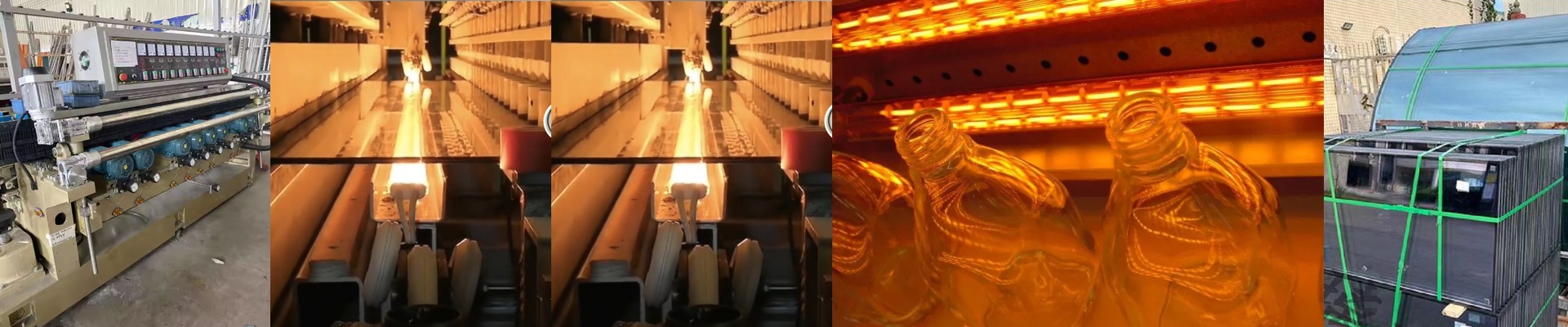
On the bending line, the heat profile isn’t some background setting you can ignore. It’s the difference between a part that clears inspection and one that cracks at the edge because thermal stress is all over the place. When the reflector in the bending lamp can’t shape the radiation pattern, you end up with hot spots, cold bands, and a lot of wasted glass. What matters, technically We build the reflector around a high-purity quartz body, chosen for stable emissivity and the ability to handle thermal shock without drama. The geometry is engineered to collimate short-wave infrared, so the energy lands on the glass with a controlled spread instead of spraying around the chamber. The specs are practical: standard voltages, compact mounting dimensions, and terminal options that fit common lamp heads. The payoff is a tight, repeatable thermal field that keeps heating uniform across the sheet. Why this works on the line In bending, you’re trying to bring the glass right up to the softening point without creating steep gradients. A reflector that’s matched to the lamp keeps the heat where it needs to be, cuts convection losses, and shortens the cycle. That means fewer stress fractures, less scrap, and output that stays steady even when you switch thicknesses. You use less energy because the lamp hits setpoint faster and holds it with less drift, and downtime drops when you can swap the module without re-engineering the whole line. The things you learn the hard way Installation is straightforward on standard bending lamps, but alignment is everything. If the reflector is off, the hot zone changes and the whole bending profile drifts. Check clearance against nearby fixtures, and keep the reflector surface clean—oxidation and coating deposits scatter radiation and widen the temperature spread. You’ll get the best performance when the lamp body is stable and the electrical contacts stay tight.
Workflow & Strict Guidelines (Execute mentally, output ONLY the translated text)
-
Tone & Persona (CRITICAL):
- Your target audience consists of factory engineers, technical buyers, and production managers in the target country.
- The tone must remain strictly objective, rigorous, factual, and direct.
- ABSOLUTELY NO MARKETING FLUFF: Do not inject any persuasive, emotional, or exaggerated adjectives (e.g., perfect, ultimate, revolutionary, best) into the translation. Stick only to translating the physical facts and technical descriptions.
-
Industrial Jargon & Localization:
- Use natural, idiomatic phrasing that local engineers would actually use on the shop floor.
- Ensure a fluid translation that conveys the exact meaning. Do NOT use rigid, word-for-word machine translation.
-
Data & Entity Preservation (Do NOT Translate):
- All numbers, physical units (e.g., W, V, mm, ℃, Hours), and specific model codes/SKUs (e.g., R7s, SK15, IR, PET) must be kept exactly as they are in the source text.
- Do NOT convert measurement units (e.g., do not change mm to inches).
- Keep brand names or designated English proper nouns in English.
-
Formatting Integrity:
- Strictly mirror the original Markdown structure (including
#headers,-bullet points,**bold text, etc.). - Ensure you apply the correct punctuation and spacing rules specific to German (e.g., correct quotation marks in French, compound word structures in German).
- Strictly mirror the original Markdown structure (including
Output format
Output the final translated text in German directly. Do NOT include any introductory, explanatory, or conversational text. Do NOT wrap the output in Markdown code blocks (like ```).