

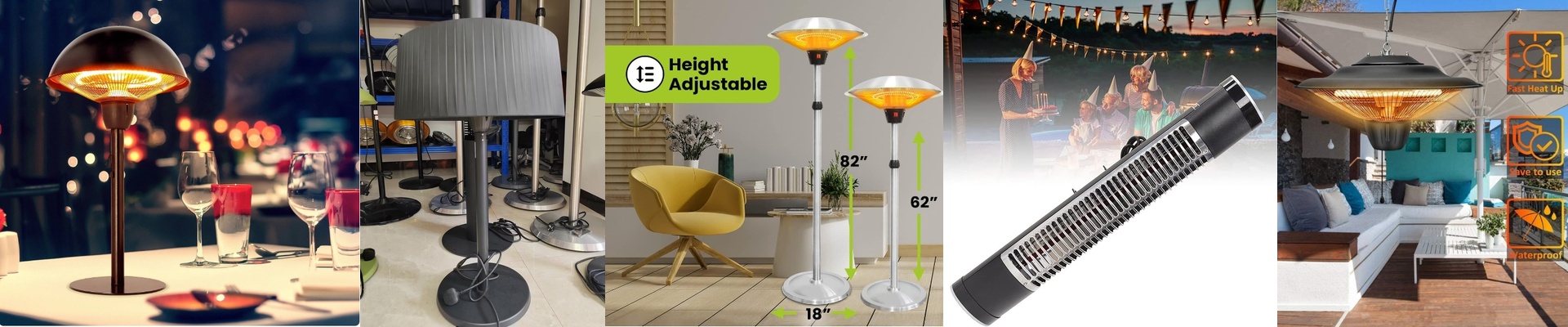


Back on the factory floor, we obsess over a number most people never notice: 0.1mm. That tiny window is the line between infrared warmth that holds steady and an element that drifts, underperforms, and leaves your greenhouse exposed when the night bites.
What matters, technically
We built this greenhouse electric heater around a quartz infrared system that sends radiant heat straight to plants, soil, and benches—no need to warm the air first. The core is engineered for consistent output, with tight element tolerances and a filament structure that holds up to hot-cold cycling. When the thermostat calls, you get immediate response and steady delivery, even on long, humid nights. It runs on standard electric service, installs via common hardwire or plug-in options, and is built for year-round use in enclosed growing spaces.
Why it works in a greenhouse
Uneven heat is what kills more than cold alone. Cold spots stress seedlings, slow rooting, and open the door to disease. With infrared, the warmth lands where it counts—at the plant level—so the air stays stable while the thermal mass that holds heat stays even. That means fewer swings, fewer middle-of-the-night checks, and fewer losses when the weather turns. For growers, that translates to more predictable cycles, better quality, and less wasted energy because you’re not blowing heat into empty air.
The practical details
This is an electric radiant heater, not forced-air, so it warms objects first. Placement matters: set it up for even coverage across plant benches and avoid line-of-sight to sensitive crops. In very humid conditions, use the correct protective housing and keep power connections dry and serviceable. Pair it with a reliable thermostat, and plan your layout around airflow and shading.