
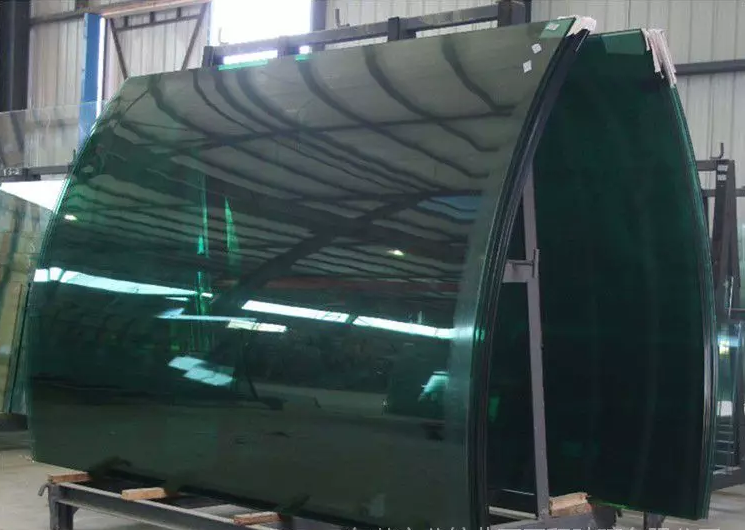
Stop the Cracks: Why Fast-Response IR Heating Actually Works
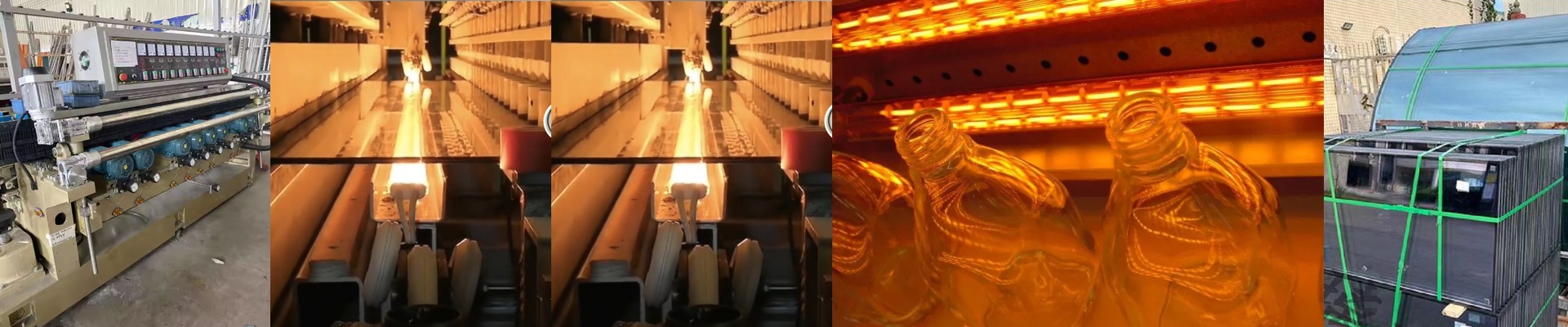
If you’ve spent any time on a glassware production line, you know the tempering stage is where the real headaches start. It’s where most of your scrap happens. One minute everything is fine, and the next, you’ve got a shattered piece of glass because the heat hit it too hard or didn’t ramp down fast enough. That internal stress is a killer. We use clear quartz infrared tubes to fix this. Why? Because they can change power levels almost instantly. That’s the secret to protecting your glass from thermal shock. The magic of quick adjustments Here’s the thing about clear quartz tubes: they work on a short-wave spectrum. Most coated elements are bulky; they hold onto heat and take forever to cool down. But these quartz tubes? They react the second your voltage changes. When your PLC tells the power to drop, the heat drops. Period. No lag. This means you aren’t accidentally cooking the surface of the glass while the core is still trying to catch up. You get a perfect heat soak without the waiting game. Why the material matters We stick with high-purity clear quartz for a reason. It doesn’t freak out when the temperature swings. You can crank the power from 10% to 100% in a few seconds, and the tube won’t crack. It just handles it. Plus, because the quartz is so clear, the IR energy goes straight into the glass instead of wasting heat on the oven walls. It’s just more efficient. The trade-offs you need to know Now, it’s not all plug-and-play. Short-wave IR puts out a massive amount of heat density. That speeds up your cycle, sure, but it puts a lot of pressure on your wiring and power supply. You’ve got to make sure your SCR controllers are beefy enough to handle that rapid switching, or they’ll overheat. And please, check your cooling fans. If the airflow at the lamp ends isn’t right, you’ll fry your electrodes long before the quartz tube ever gives out. Keep the terminals cool, and you’re golden.