




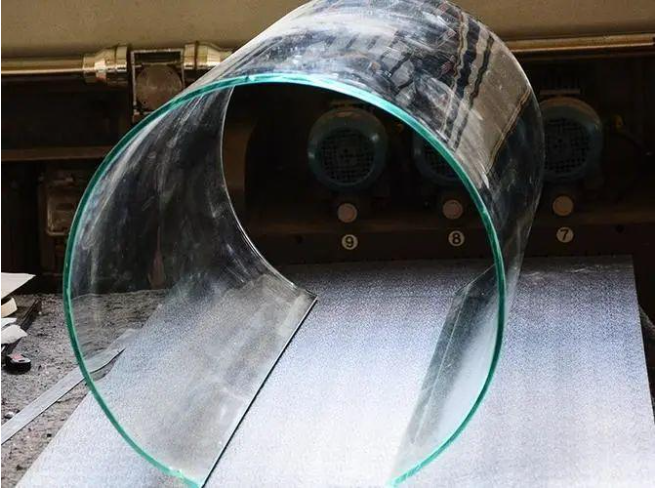
On the line, a safety glass line doesn’t have time to wait around for heat. If the cutting heater drags its feet, the whole line backs up. Glass sits, stress climbs, and scrap starts piling up. We built our safety glass cutting heater for exactly that kind of day—consistent heat, fast, with no room for guesswork. What’s actually going on under the hood The unit leans on quartz short-wave infrared elements, putting the energy straight into the glass instead of heating the air around it. That gives you quick response and tight control over the thermal profile—critical when you’re cutting coated glass or laminated stacks. A focused, uniform thermal field keeps edge thermal stress in check and reduces the chance of micro-cracks. The heater body stays compact, with standard mounting and terminals, so it drops into existing frames without a major rework. It’s sized for industrial duty cycles, and the control interface is set up to integrate with the line controls you already run. Why it holds up in real production This heater is meant for throughput. It cuts heat-up time and holds stable setpoints, so cutting stations can keep pace with line speed without hanging around. Fewer stoppages. More consistent glass quality. Fewer off-spec sheets. Energy stays under control because heat is delivered on demand, not wasted preheating a bunch of metal and air. In practice, you get more cycles per shift, less scrap, and less rework. A few practical notes Installation is straightforward, but the line layout still matters. Keep clearance around the element zone to avoid hot spots and to protect operators. The heater performs best when the power supply matches the rated load and you manage airflow to minimize convection drift. Plan for routine inspection of the element zone and connections—predictable maintenance is what keeps uptime where you need it.