


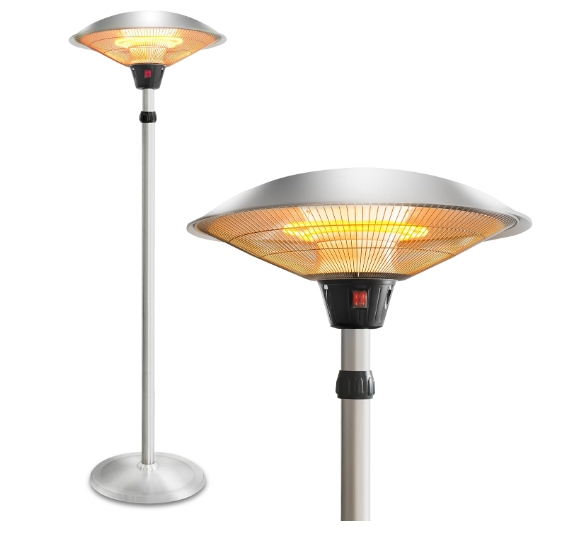
Keeping Your Bathroom Infrared Heaters Safe (And Dry)
Putting an infrared heater in a bathroom is a bit of a balancing act. You can’t just throw a waterproof shell on it and call it a day. You’re mixing high voltage with steam and splashing water—and water loves finding a way to get to the ground. To really hit those IP65 standards and keep things safe, the real battle is won at the seal between the lamp housing and the electrical terminals. Here’s the thing about moisture: it’s sneaky. Water vapor doesn’t just leak in; it creeps through tiny gaps via capillary action. In a steamy bathroom, condensation starts forming inside the heater. If your terminals aren’t totally isolated, that moisture creates a bridge for the electricity to jump from the live wire straight to the chassis. Not great. To stop that, we use silicone-gasketed seals and epoxy-potted terminal blocks. It basically locks the humidity out so the electronics stay bone-dry. Then there’s the wiring. We go with double-insulated wires and reinforced grounding paths. The heating element stays tucked inside high-purity quartz, which handles the intense heat, while the outer IP65 enclosure keeps the environment at bay. We also put a dielectric barrier between the lamp socket and the metal frame. That way, even if a seal fails, the current won’t jump to whoever is touching the heater. But there’s a trade-off. Better waterproofing usually means more bulk. A fully sealed unit traps more heat than one that can breathe. If your housing is too tight, the internal temperature spikes, and your wiring insulation can actually start to degrade. To fix this, we either leave a calculated air gap or use fluoropolymer (PTFE) wiring. It’s a heat-resistant material that keeps the leads from burning out when things get toastie in there. And for a bit of extra peace of mind? Wire everything into a dedicated GFCI. It’s that final safety net that trips the power the second something feels wrong. Combine those physical barriers with a good electrical trip, and you’ve got a system that’s actually safe for a wet zone.